SAVING RARE PLANTS FOR FUTURE GENERATIONS
Help Safeguard Plants From Extinction
Sign Up for Rare Plant AcademyWhy Rare Plants Matter
We have only scratched the surface of understanding the role plants play in ecosystems or the uses they may offer. But what we do know is wondrous. Learn how plants – including rare plants – are integral to a healthy planet and how their incredible diversity make life as we know it possible.
LEARN MOREApproach
A trusted authority on plant conservation science and practices, CPC ensures conservationists are equipped with the information and resources needed to best save plants.

Protect
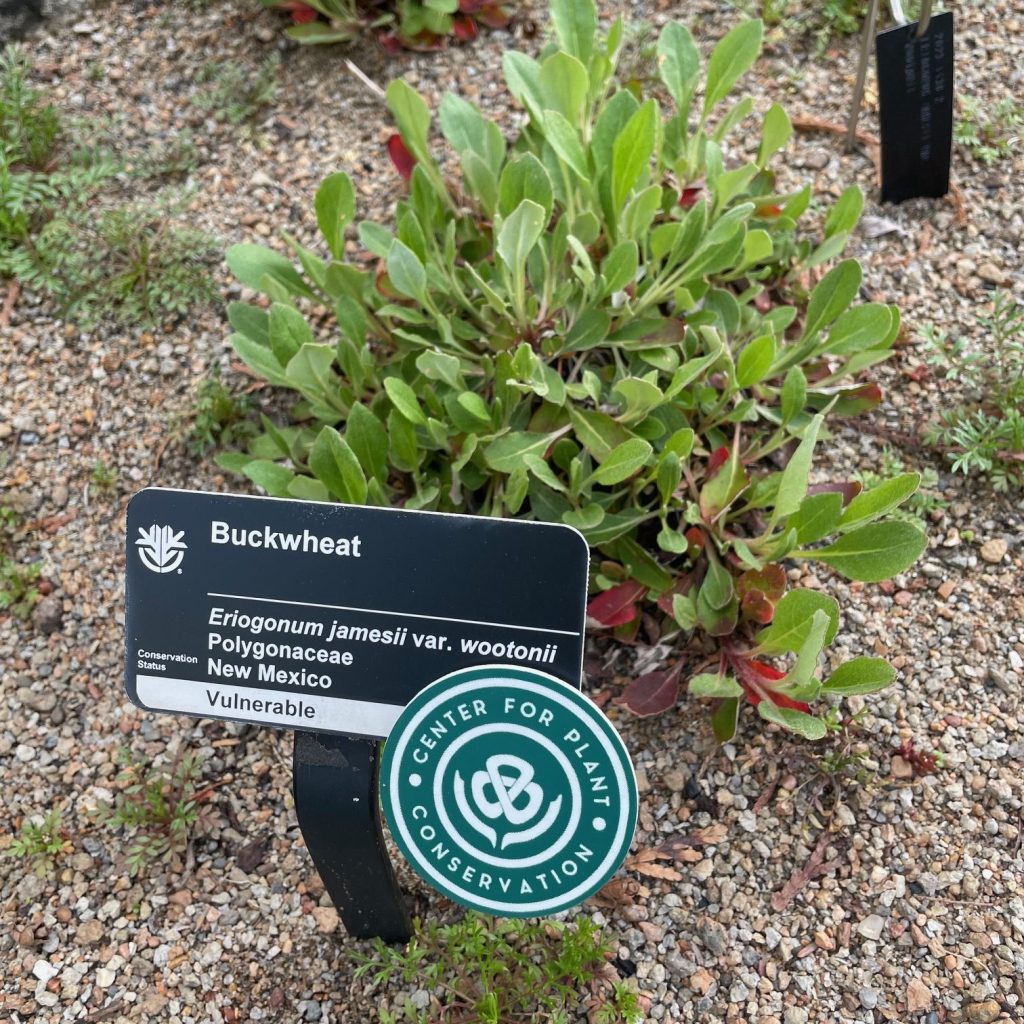
Rare plants included in the National Collection are safeguarded from extinction and can help conservationists restore healthy, diverse populations to nature.
LEARN MORE
Educate
CPC’s Rare Plant Academy provides training and tools to prepare the next generation of rare plant conservationists.
LEARN MORE
Connect
Contributing to the Rare Plant Academy Forum gives plant professionals the opportunity to share their knowledge and help others learn from their experience.
LEARN MOREAdvocacy
Through its network of Conservation Partners, the Center for Plant Conservation works to protect native plants from extinction in the face of climate change, habitat loss, and impacts of invasive plants and animals. We advocate for action that will conserve threatened native plants and promote their recovery in the wild, as well as through ex situ collections and seed banking. Each plant species represents a unique set of strategies and an irreplaceable source of information about survival on planet Earth. We owe it to future generations to ensure that native plant diversity continues to thrive.
Mission
CPC safeguards rare plants by advancing science-based conservation practices, connecting and empowering plant conservationists, and inspiring all to protect biodiversity for future generations.
A Brain Trust For Protecting Plants
CPC is a network of over 70 plant institutions that brings together data, scientific prowess, and applied conservation experience to advance work that saves plants. This brain trust of plant conservation experts has four decades of experience in synthesizing cutting-edge research which builds the foundation for good conservation practice. CPC saves plants by providing information and resources to our partners beyond.
Meet Our Network
The 2018 Highlands Biological Station field course in introduction to lichens on the culmination of their trip to study threatened endemic species in Great Smoky Mountains National Park. Clifftops of Mount LeConte, Tennessee. Photo credit: Jessica Allen, courtesy of New York Botanical Garden.
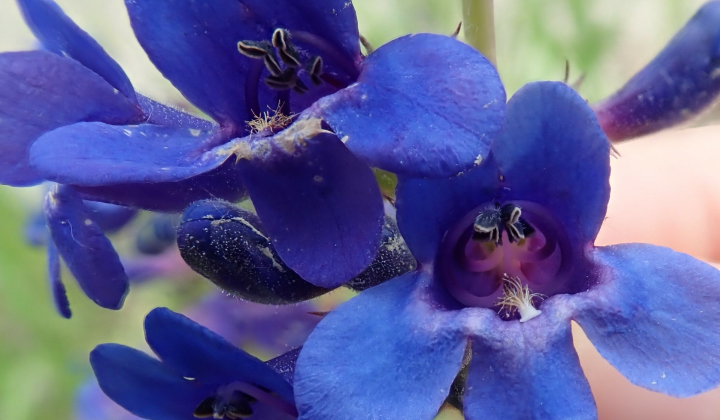
National Collection species, Grad Mesa Beardtongue (Penstemon mensarum), collected in 2019 by Denver Botanic Gardens through CPC-Kew Foundation America. Photo credit: Alex Seglias, Denver Botanic Gardens.
The Plants In Peril
Integral to a healthy planet, plants and their incredible diversity make life as we know it possible. Yet two in five of the world’s plants are at risk of extinction – 4,400 of which occur in the United States. With your help we can safeguard more of these unique species by adding them to the National Collection and conserving them in the wild. With CPC’s Rare Plant Finder tool you can find which plants near you are at risk – and which have dedicated conservationists within our network working to safeguard their existence.
Explore the National CollectionNews from our Save Plants Digest
Resources





Donate
With your help we can safeguard more of the unique plants in peril and in need of protection by adding them to the National Collection and conserving them in the wild.
Donate Today