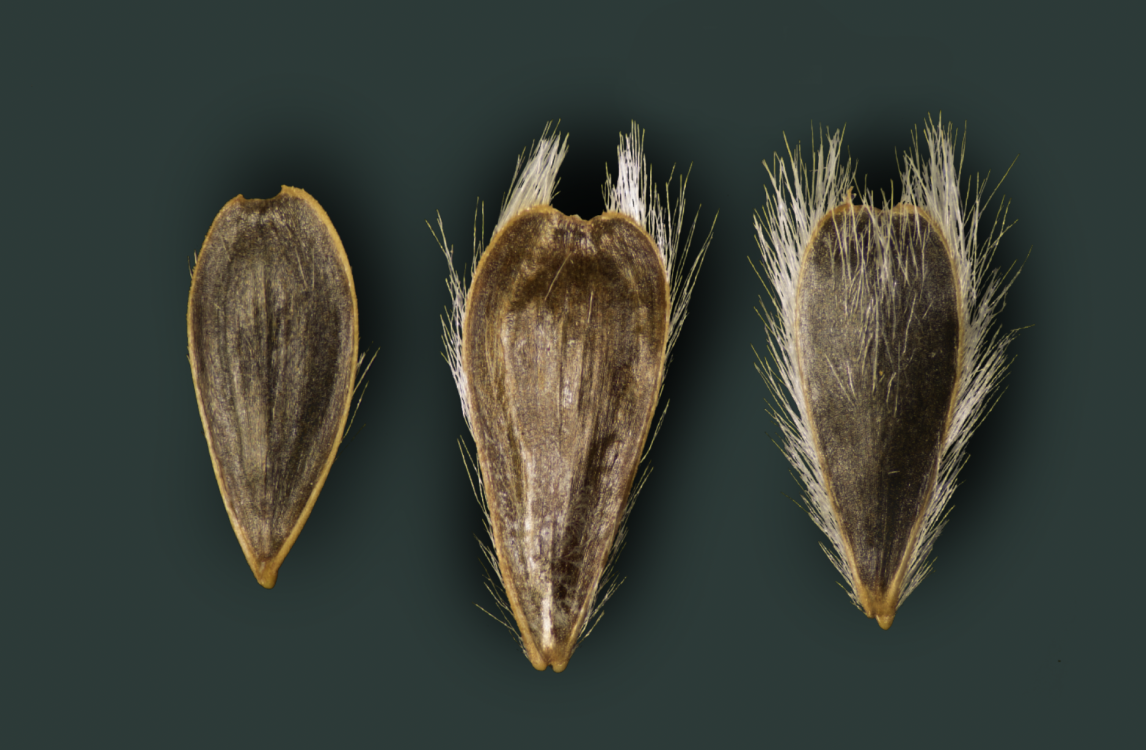
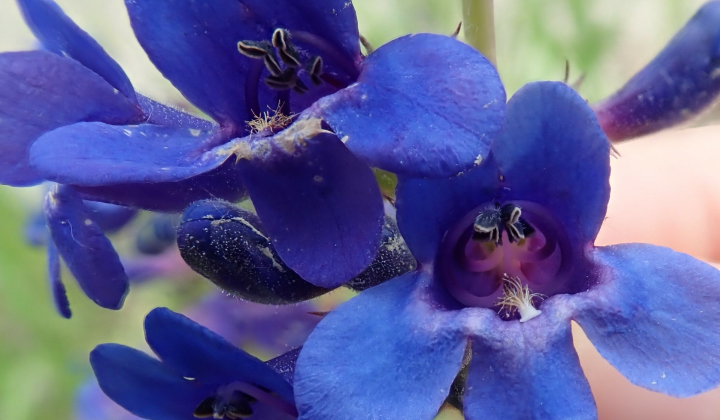
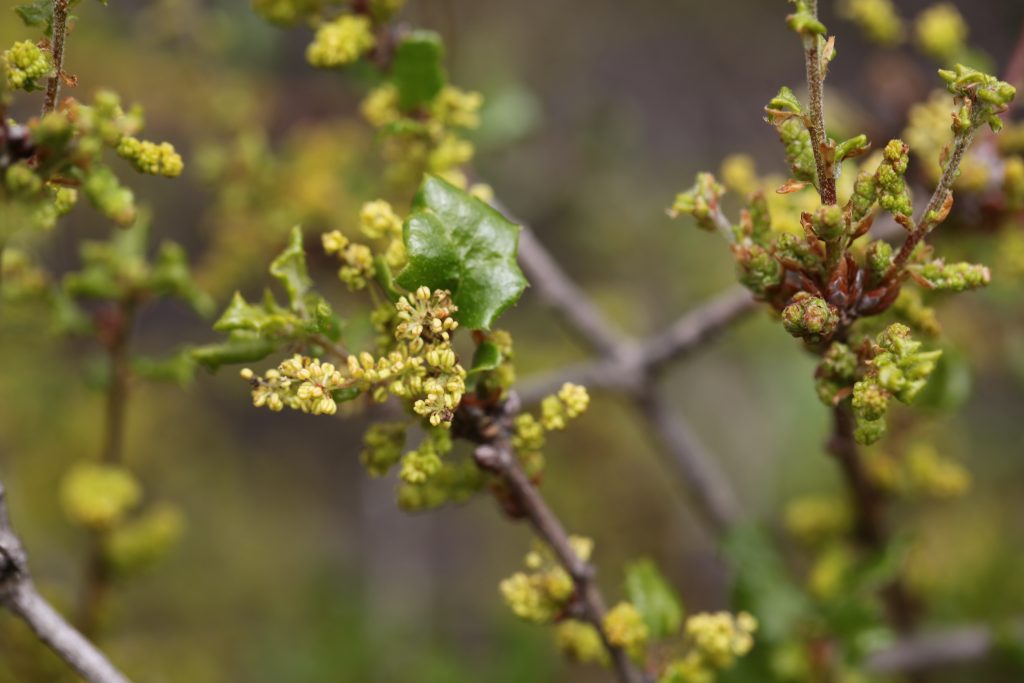
Callirhoe bushii Heading
About CPC
CPC National Collection
Conservation Directory Resources
Invasive Plant Species Plant News
Plant Links Participating Institutions
Contribute
Search CPC

Criteria for Membership in CPC

CPC institutions are expected to undertake and work cooperatively with others towards public education involving its mission, plant conservation issues, and the process of restoration and recovery for rare taxa.A CPC institution is one that has taken on significant responsibility for conserving and maintaining rare taxa in the National Collection through ex-situ work, research (field or lab research supporting theoretical or applied ex-situ or in-situ restoration needs), stewardship and land management, or fieldwork (monitoring, restoration, augmentation and reintroduction). CPC institutions are expected to undertake and work cooperatively with others towards public education involving its mission, plant conservation issues, and the process of restoration and recovery for rare taxa.

CPC is committed to working cooperatively and providing information and technical assistance to educational institutions and display gardens in integrating conservation issues into public education. However, CPC’s core mission is to achieve recovery and stability for rare taxa, therefore a significant educational program alone will not qualify for admission to the CPC institutional network.

Institutions will be judged to qualify for admission based on the following criteria:

  1. The institution must be a non-profit organization, and exempt from federal income taxes under Section 501 (c) (3) of the Internal Revenue Code.
  2. The institution must provide approval of the application from an official with oversight authority for the organization (Board of Trustees, University President, or equivalent).
  3. The institution’s mission must formally include conservation, and their programs must include work with regionally rare taxa of conservation concern.
  4. CPC institutions must use quality, science-based principles and recognized best conservation practices in their rare plant work. [1]
  5. The institution must explicitly agree to the standards, protocols, and reporting outlined in the current CPC Handbook, which is periodically updated as necessary, and represents CPC’s required best conservation practices, as derived through the advice and participation of scientists within the network, the scientific advisory council, agency cooperators, and peer reviewers.
  6. The institution must demonstrate the capability and commitment in quality of professional staff and administrative structure to conduct their conservation program in a manner that documents and collects meaningful data using high quality scientific standards. [2]
  7. The facility must have adequate equipment, space, availability of materials, and supporting infrastructure to conduct a quality program. [2]
  8. The institution must have staff with a significant portion of their job duties and work time dedicated specifically to plant conservation activities. The majority of this core staff (and support budget for them) should be a part of the institutions base budget, not supported solely with short-term grant funds.
  9. The institution should have adequate computer support for plant conservation staff for record keeping, and support work, as well as Internet access to facilitate communication with the National Office and collaboration with other institutions in the CPC network. [2]
  10. The institution must demonstrate willingness to provide support for conservation officers and directors to frequently attend annual meetings and training identified as helpful for the quality and development of the conservation program.
  11. The institution should be willing to participate in fundraising efforts to complement the efforts of the National Office and the CPC Board, for endowments and network projects such as achieving sponsorships for taxa in the National Collection (National Collection Endowment). The institution should recognize that the role of CPC is not to provide funding for the institution’s entire program.
  12. CPC strives to provide financial assistance, guidance, emphasis, advocacy, and a venue to support high quality cooperative work nationwide. Independent fundraising activities on the part of the institution will still be needed to support the expenses, development, and growth of the institution’s program.
  13. The institution must agree to stay informed about and comply with all state and federal laws and regulations governing the activities encompassed by its conservation program with regard to permits, reporting, and landowner permission for collection and other field activities.
  14. The institution must coordinate its conservation activities with other CPC institutions, and local, state and federal authorities with responsibility for conservation and restoration of rare taxa. In addition, for taxa where work is being undertaken by more than one institution, coordination in grant writing, other fundraising activities, and project design and implementation is essential. Similarly organizations within the same state or in close proximity to one another should communicate regarding plans for submitting applications for funding to state or field office level federal agencies. Collaborative proposals are encouraged whenever possible. [2]
  15. The institution should endeavor to disseminate and publish information and research results pertaining to plant conservation. CPC strongly recommends peer review for scientific and technical publications, and the CPC National Office (through the Science Advisory Council) can assist this process. Coordination with the National Office is also encouraged for publications pertaining to National Collection plants.
  16. Once an institution is invited to join CPC, it must agree to sign a formal agreement with CPC and to pay a one-time joining fee of $2,000, as well as an annual affiliation fee (currently $250) in subsequent years.

Responding to Inquiries for Membership

The CPC National Office is responsible for answering both formal and informal inquiries concerning membership in CPC. Submission of an application for membership in the CPC must be coordinated with the National Office in advance. The National Office cannot accept applications without prior coordination. The National Office seeks to complete the following preliminary steps before an institution requests an application for membership:

  • Verify that potential applicants have a basic understanding of CPC and are familiar with CPC’s structure and programs. Institutions interested in membership should be familiar with the CPC website, which displays complete and current basic information about the organization, its members, and its programs. In addition, the institution should request and review CPC’s Member Institution Information Packet.
  • Potential applicants should establish an early dialog with National Office staff and verify their familiarity with the “Criteria for Membership in CPC” (available on-line as a PDF file and in the information packet). Potential applicants should be familiar with the standards and protocols for conducting science-based plant conservation within the CPC network. All potential applicants are requested to consider the criteria carefully with relevant staff, including executive staff, before proceeding with the application process.
  • After becoming familiar with CPC and the expectations of membership, the potential applicant should submit an official letter of interest to CPC in order to obtain application forms and initiate the application and review process.

Application and Review Procedure

An institution that has established a serious interest in joining CPC through the preliminary steps outlined above will be sent an electronic Application for Membership in CPC (attached). The current version of the application contains 14 questions and encourages the applicant to enclose any supporting materials—brochures, strategic plans, publications, and letters—that can lend support to the institution’s eligibility for membership in CPC. There are no fees associated with submitting an application at this time; although the applicant must acknowledge that a one-time joining fee of $2,000.00 is due once the institution has been accepted, with annual dues following.

The National Office strives to process the application and to review the institution within three months of receipt of the application. Since the National Office relies on the volunteer participation of individuals within its network to review the application, the time it takes to render a decision may vary depending on the time of the year and our ability to schedule a site visit and coordinate quickly with the review committee.

Step One

The National Office will assemble a review committee consisting of four to six individuals from the CPC network. A new committee will be assembled for each application. The review committee should possess representation from all of the different groups within our organization including the:

  1. National Office
  2. Conservation Officers
  3. Science and Policy Advisory Council
  4. Directors Advisory Council
  5. Board of Trustees

In addition, we will attempt to include a representative from the CPC member institution that is geographically nearest to the applicant institution. A single review committee member may represent more than one group. The review committee will receive copies of the application including supplemental materials. The review committee will also receive the current Criteria for Membership in CPC and general instructions about how to proceed with the review from National Office staff.

Step Two

An official site visit or inspection will be organized and include at a minimum the member of the national office staff that is on the review committee and another member of the review committee. At present, there are limited funds available for the review, so inspections will need to be arranged in the most cost effective manner possible.

Step Three

A meeting date for the review committee will be set approximately 4 to 6 weeks after the materials have been disseminated in order to discuss the application, the site visit, and to make a recommendation to the board. This meeting will typically be conducted by conference call. The National Office will prepare a review packet for the Board of Trustees on behalf of the review committee. The packet will include a memo that documents the recommendation of the committee, all relevant and constructive comments that the committee may have about the applicant, and appropriate supporting materials.

Step Four

The recommendation of the review committee will be considered by the full board in session, or by the executive committee of the board if the full board is not scheduled to meet near the time the review is completed. The matter may be decided by a vote of the executive committee, provided the full board has been given two weeks to consider the contents of the review packet and provide any comments to the Chairman.

Step Five

Upon Board acceptance of the institution as a member institution of CPC, the President and Chairman of the Board shall draft an invitation to the applicant, with instructions for notification of acceptance.

Step Six

Upon receipt of the required acceptance letter and one time joining fee by the National Office, the applicant becomes a full member institution of CPC.

[1] Evaluation of this qualification will be done by the review committee. Submission of supporting materials such as publications and letters of support from established reputable institutions may be helpful to Review Committee. See application form.

[2] This will in part be evaluated by a site visit by representatives of the review committee during the application review process.

 
CPC Home Callirhoe bushii Join now